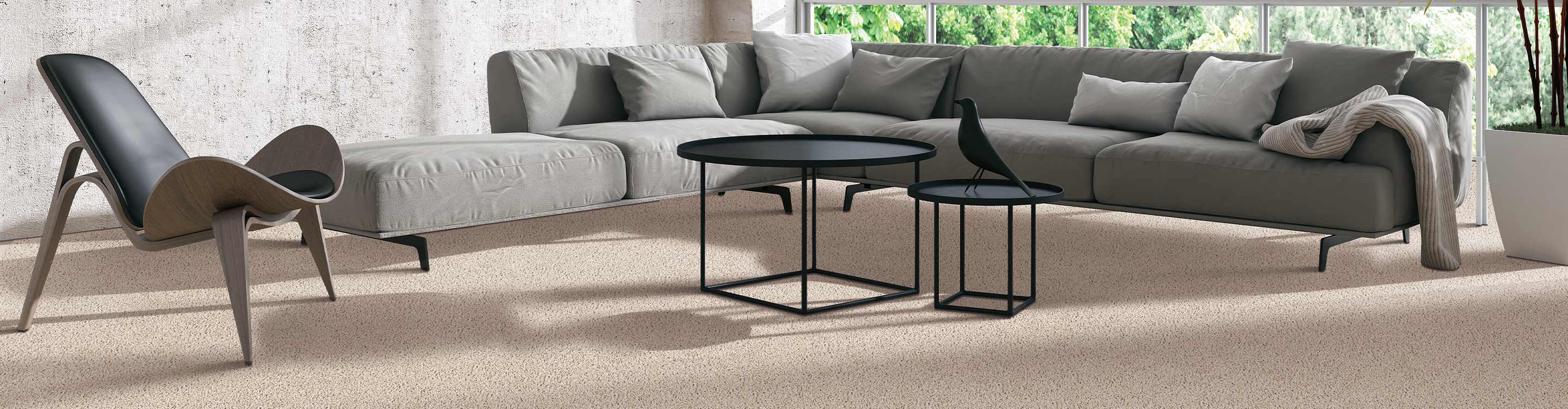
Choosing new carpet is exciting, but the warranty behind it is just as important as the carpet itself. Coverage varies by carpet type and manufacturer, and knowing the difference can save you a headache down the road. As your trusted flooring partner, we're here to help you choose coverage that gives you real peace of mind. Our flooring experts bring years of hands-on experience to every conversation, helping you find the warranty that best protects your investment. Read on to explore the types of coverage available and what each one means for your home.
Carpet warranties offer the following types of coverage:
Wear is the most common type of carpet warranty, and it's also one of the most misunderstood. Manufacturers define wear specifically as abrasive fiber loss, not a change in appearance such as shading, pooling, matting, or crushing. Most wear warranties include a threshold, often around 10% of the carpet, that must be reached before coverage applies. When it does, only the worn section, extending to the nearest wall, doorway, or entrance, will be replaced with identical carpet. Knowing this distinction ahead of time helps you set the right expectations from the start.
A soil warranty protects against color changes caused by everyday foot traffic and dry soil buildup over time. Before a claim is approved, many manufacturers require that the carpet be self-cleaned or professionally cleaned first. The good news is that staying on top of routine care does double duty. It keeps your carpet looking its best and helps ensure your warranty stays valid when you need it most.
Stain resistance describes how well a carpet resists, minimizes, or withstands permanent stains. Most carpet sold today is treated to resist stains right out of the box, but a stain warranty adds an extra layer of protection if treated carpet doesn't hold up the way it should. Coverage can vary across carpet types, retailers, and fiber manufacturers, so it's worth comparing your options before you commit to one product.
Pet stain warranties aren't standard across the industry. They're typically offered only by select carpet retailers, with coverage that can look very different from one product to the next. If you share your home with pets, this is a coverage type worth asking about directly. Visit a local flooring expert and find out exactly what's included and excluded so you can choose a product built for real life with pets.
A fade warranty protects your carpet against color change and visible damage caused by exposure to sunlight or artificial light. This type of coverage matters most in bright, sunlit rooms where fading tends to happen gradually and often goes unnoticed until it's significant.
An installation warranty deserves just as much attention as the product warranty itself. It protects against issues that arise during the original installation, separate from anything related to the carpet itself. Look for a flooring retailer with experienced installers who follow industry standards and stand confidently behind their work. Some retailers go a step further and offer lifetime installation warranties for added peace of mind.
Most carpet warranties last between 5 and 25 years, depending on the type of coverage and the manufacturer behind it. Wear warranties tend to run the longest, sometimes for the lifetime of the carpet, while stain and soil warranties typically fall in a shorter range. Since terms vary by product, it's always smart to confirm the specifics with a flooring expert before you buy.
A carpet warranty is most commonly voided by improper installation, inconsistent maintenance, or damage that falls outside normal wear and tear. Skipping recommended cleaning, using the wrong products, or allowing excessive moisture exposure can also put your coverage at risk. Reading the specific terms of your warranty before you need it is the best way to protect what you've invested in.
Thank you for contacting Carpet One Floor & Home. Your local flooring expert will reach out to you regarding your inquiry.